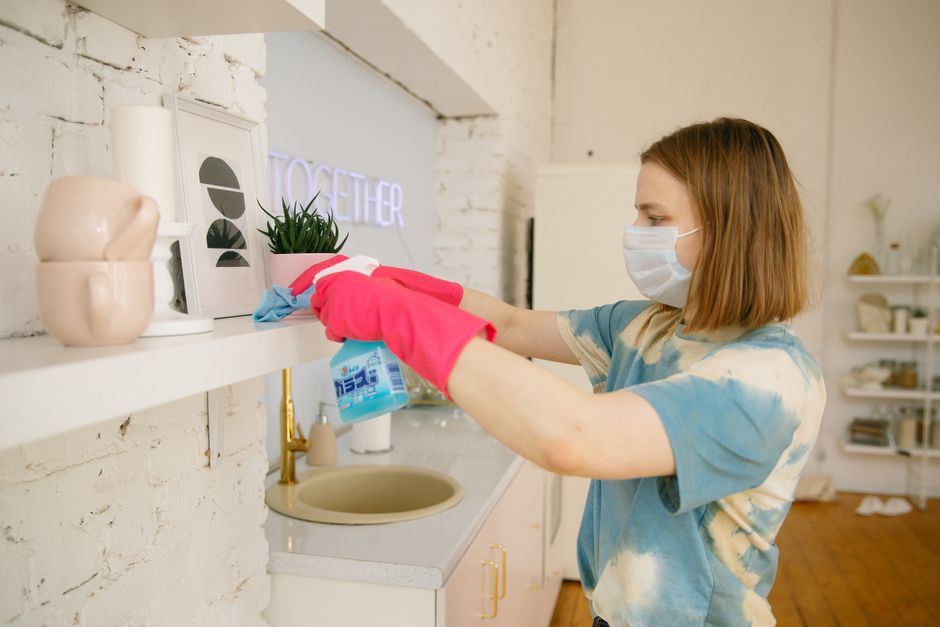
What Maida Vale landlords must know about tenancy cleaning rules
If you rent out property in Maida Vale, tenancy cleaning can feel deceptively simple: hand the keys over, check the place looks tidy, and move on. In reality, it is one of the most common flashpoints between landlords, tenants, and letting agents. The difference between a smooth checkout and a deposit dispute is often not dramatic damage at all - it is cleaning quality, proof, and expectations.
This guide explains what Maida Vale landlords must know about tenancy cleaning rules in plain English. We will look at what is usually expected, what you can and cannot insist on, how to set fair standards, where landlords trip up, and how to handle end-of-tenancy cleaning in a way that protects your property without creating unnecessary conflict. If you manage flats in converted Victorian buildings, modern apartments, or shared homes, the basics are the same - but the details can feel a bit different, to be fair.
One important point upfront: there is not a single magical checklist that applies to every tenancy. Most of the real-world rules come from the tenancy agreement, the condition of the property at move-in, and ordinary UK legal expectations around fairness and evidence. So the job is less about demanding perfection, more about setting a reasonable, well-documented standard.
Contents
- Why tenancy cleaning rules matter for Maida Vale landlords
- How tenancy cleaning expectations usually work
- Key benefits and practical advantages
- Who this is for and when it makes sense
- Step-by-step guidance for landlords
- Expert tips for better results
- Common mistakes to avoid
- Tools, resources and recommendations
- Law, compliance, standards, or best practice
- Options, methods, and a comparison table
- Case study or real-world example
- Practical checklist
- Conclusion
- Frequently asked questions
Why tenancy cleaning rules matter for Maida Vale landlords
Maida Vale is a busy rental market, and that matters. Tenants often move quickly, landlords need turnarounds to stay efficient, and properties are expected to present well from one let to the next. Cleanliness is not just about appearance. It affects marketing photos, inspection outcomes, maintenance issues, and whether the next tenant feels confident walking through the door.
In practice, poor cleaning can hide deeper problems. A sticky kitchen surface might be a simple missed job, or it might be grease build-up from months of light cooking. Marks around skirting boards can suggest neglect, but they can also reveal paint wear, damp, or hard-to-clean surfaces. A good landlord learns to separate cleaning issues from repair issues. That distinction saves time and keeps disputes grounded in facts rather than frustration.
It also matters because many deposit disagreements start with vague expectations. If you say a property must be "professionally cleaned" without defining what that means, you may end up arguing over crumbs, carpet fibres, or limescale. Honestly, nobody wants that conversation at 8.30 on a Friday morning.
For landlords, clear tenancy cleaning standards do three useful things:
- reduce deposit disputes
- make inventories easier to compare
- help the next tenancy start in a clean, professional condition
And there is a human side too. A tenant leaving a spotless home deserves fair treatment. A landlord receiving a property back in good order deserves a clear record of that condition. Fairness works best when both sides can see the same evidence.
How tenancy cleaning expectations usually work
Most tenancy cleaning rules are built around a simple principle: the property should be returned in a similar condition to when the tenancy began, allowing for fair wear and tear. That does not mean the home must look brand new. It means it should be reasonably clean, empty, and ready for the next occupant, unless the tenancy agreement says otherwise.
Landlords usually rely on four things:
- The tenancy agreement - this often sets out whether professional cleaning is required, or whether the property must simply be returned clean.
- Inventory and check-in evidence - photos, written notes, and a signed schedule show what the property looked like at the start.
- Check-out inspection - this compares the ending condition against the starting condition.
- Reasonableness - if a demand looks excessive, unclear, or unrelated to actual dirt, it is harder to defend.
A lot turns on wording. "Professionally cleaned" can be interpreted differently by different people. In some cases, what matters most is not the label but the result. For example, if carpets have been visibly cleaned and deep stains remain that were there before the tenancy, that is very different from a carpet left dusty and full of pet hair.
In a Maida Vale flat with wooden floors, sash windows, and original features, cleaning expectations may also need to account for older surfaces and delicate finishes. A hard scrub on a period window frame can do more damage than good. So the standard should be clean and appropriate, not aggressive for the sake of it.
One helpful way to think about it: landlords are not buying shine, they are buying readiness. The property needs to be fit for the next tenancy, not staged for a showroom.
Key benefits and practical advantages
When tenancy cleaning is handled properly, everyone benefits. The advantages are not just theoretical - they show up in fewer emails, fewer arguments, and faster re-let times.
For landlords
- better chance of returning the property to market quickly
- fewer disputes over deposits and deductions
- clearer inspection records
- reduced risk of missing hidden grime in kitchens, bathrooms, or behind appliances
For managing agents
- more consistent handovers
- easier coordination between tenants, cleaners, and maintenance teams
- better presentation for viewings
For tenants
- clear expectations at move-out
- less chance of unfair charges
- more confidence that deductions, if any, are evidence-based
There is also a quieter benefit: professional standards build trust. A landlord who is organised about cleaning tends to appear organised about everything else. That matters in a market where tenants compare listings fast and often make decisions after one short viewing and a quick scan of the photos.
If you want a more structured approach to property cleaning across tenancies, some landlords combine end-of-tenancy work with occasional deep cleaning or regular cleaning. That can be especially helpful where the property turns over often. You can also explore end of tenancy cleaning and deep cleaning as part of a broader maintenance plan.
Who this is for and when it makes sense
This topic is not just for large portfolio landlords. In Maida Vale, it applies to anyone letting residential property where cleanliness affects the next move-in, the deposit, or the condition of the flat.
It is especially relevant if you are:
- a private landlord managing one or two flats
- a letting agent handling regular move-outs
- a freeholder or block manager overseeing shared parts of a building
- a landlord who rents furnished or part-furnished homes
- a host or short-let owner who sometimes moves between tenant-style and guest-style cleaning expectations
It makes sense to tighten cleaning processes when:
- the tenancy is ending after a long occupation
- the property includes carpets, upholstery, or soft furnishings
- there have been pets, smoking, or heavy kitchen use
- the move-out is rushed, and standards could easily slip
- you have had previous disputes over deposits or inspection notes
Sometimes landlords assume the tenant will "just sort it." Sometimes they do, and sometimes they really, really do not. A better system is to define the standard before the tenancy ends, not after the dust has settled.
Step-by-step guidance for landlords
If you want tenancy cleaning to be predictable instead of painful, follow a simple process. It does not need to be complicated.
1. Set the standard early
At the start of the tenancy, make sure the agreement and inventory reflect what "clean" means in your property. If professional cleaning is required, say so clearly. If you only expect the place to be returned in a clean condition, say that too. Ambiguity is where arguments begin.
2. Document the check-in condition
Take dated photos of kitchens, bathrooms, flooring, appliances, windows, and any visible marks. A good inventory should be detailed enough that, months later, you can tell the difference between an old stain and a new one. A blurry hallway photo will not do much, let's face it.
3. Give the tenant practical guidance before move-out
A brief move-out reminder is often enough. Mention areas that regularly cause problems: ovens, fridge seals, extractor fans, limescale, skirting boards, bath grout, and carpets. Tenants usually appreciate being told what will be checked. It feels fair.
4. Inspect methodically
Do not rush. Check each room against the inventory and focus on touchpoints: handles, switches, worktops, taps, behind white goods, and the inside of cupboards. Smell matters too. A stale odour can indicate poor ventilation, lingering food residue, or damp, and that may need attention beyond standard surface cleaning.
5. Separate cleaning from damage
This part matters. Cleaning problems are usually removable dirt, dust, grease, or staining that can be treated. Damage is more structural: burns, chips, broken seals, torn upholstery, scratched surfaces. When you treat one as the other, disputes become messy fast.
6. Decide whether specialist cleaning is needed
Some issues need more than standard cleaning. Carpets with deep soiling may need carpet cleaning or even steam carpet cleaning. Sofas, mattresses, and curtains often need attention if they are part of the let. If a tenant had pets, pet stain and odour removal may be the practical next step.
7. Keep records of decisions and invoices
If you deduct cleaning costs, keep the evidence tidy: photos, inspection notes, quotes, invoices, and a clear explanation of what was cleaned and why it was necessary. This is one of those admin habits that feels dull at the time and saves you later.
Expert tips for better results
Small improvements make a big difference. In our experience, the landlords who have the fewest cleaning headaches are usually the ones who keep things simple and consistent.
- Use room-by-room standards. A kitchen, bathroom, and bedroom should not all be judged by the same loose phrase.
- Focus on the high-risk areas. Ovens, extractor fans, sink traps, shower screens, skirting boards, and window tracks are the usual trouble spots.
- Check soft furnishings separately. Upholstery and rugs hold smells and dust in a way hard surfaces do not.
- Be realistic about wear and tear. A slightly dulled worktop or carpet pile is not the same as neglect.
- Book earlier than you think. The best move-out cleaning windows fill up quickly, especially around month-end. It happens every time.
It is also wise to think in layers. A property can look tidy but still fail a proper handover if the oven is greasy, the bathroom limescale is heavy, or the mattress protector has not been replaced. A quick once-over is not the same thing as a proper clean.
For landlords managing furnished homes, it can help to combine end-of-tenancy cleaning with services like oven cleaning, window cleaning, and upholstery cleaning when needed. If the property includes hard surfaces that show marks easily, hard floor cleaning can make a surprisingly big visual difference.
Common mistakes to avoid
These are the mistakes that cause most friction. Some are small on their own, but together they create a headache.
- Using vague wording. "Clean to a good standard" sounds fine until nobody agrees on what that means.
- Expecting deep-clean results from a light clean. If a tenancy lasted two years, a standard wipe-down may not be enough.
- Ignoring the check-in report. If the move-in record is weak, your position is weak too.
- Charging for normal wear and tear. That usually backfires and can look unfair.
- Forgetting hidden areas. Behind radiators, under appliances, and inside bins are easy to miss.
- Mixing cleaning and repairs. A cracked tile is not a cleaning issue, even if it is sitting next to one.
One more: do not assume the tenant's cleaning job is automatically poor just because it is not to your own preference. There is a difference between "not how I would do it" and "not reasonably clean." That distinction matters more than people think.
Tools, resources and recommendations
You do not need a fancy toolkit, but a structured approach helps. Most landlords benefit from keeping a small, repeatable set of resources for each tenancy cycle.
Useful items for inspection and handover
- a consistent inventory template
- dated photo records from check-in and check-out
- a simple room-by-room cleaning checklist
- quotes or invoices for specialist cleaning where needed
- a record of any tenant communications about cleaning expectations
Cleaning services that often matter in rental properties
- move out cleaning for end-of-tenancy handovers
- move in cleaning before a new occupant arrives
- one-off cleaning for properties that need a reset between tenancies
- mattress cleaning in furnished lets
- sofa cleaning where fabric furniture has been used heavily
For landlords who also manage common hallways or shared entrances, communal area cleaning can help keep the building presentable between tenancies. That is often overlooked, but first impressions start in the hallway, not the living room.
If you are comparing cleaners, check the practical basics as well: pricing and quotes, terms and conditions, insurance and safety, and the company's about us page. Those pages do not clean a flat, obviously, but they do tell you a lot about how a provider works.
Law, compliance, standards, or best practice
For landlords, the safest approach is to treat tenancy cleaning as an evidence-based property management task, not a casual preference. In the UK, the core principle is usually reasonableness: deductions or requirements should match the condition of the property, the tenancy terms, and the evidence available. Exact outcomes can vary depending on the tenancy agreement and the facts of the case.
Best practice usually means:
- making cleaning expectations clear at the start of the tenancy
- using a robust inventory and condition report
- keeping photos that show the state of the property before and after
- separating fair wear and tear from avoidable dirt or neglect
- using specialist cleaning only where the issue genuinely needs it
It is also sensible to keep your approach consistent across tenancies. If one tenant is charged for oven cleaning because the oven was not left in a fit condition, the same standard should apply to similar cases. Consistency is not just tidy admin - it is one of the strongest defences against complaints.
For properties with health and safety sensitivities, such as mould-prone bathrooms or shared access areas, cleaning should be done alongside a broader maintenance approach. If you are working with contractors, it helps to know they have clear internal procedures, including a health and safety policy and clear recycling and sustainability practices where relevant.
Privacy also matters during handovers. Photos and reports should be handled carefully, especially where they include personal belongings or evidence from a specific tenant. A simple, professional process tends to keep everyone calmer.
Options, methods, and a comparison table
Landlords usually choose between handling cleaning themselves, using a regular cleaner, or booking a specialist end-of-tenancy service. Each approach has a place. The right choice depends on the property, turnaround time, and how much evidence and consistency you need.
| Approach | Best for | Strengths | Limitations |
|---|---|---|---|
| In-house or landlord-managed cleaning | Small jobs, quick resets | Low cost, fast to arrange | Can be inconsistent; easy to miss hidden areas |
| Regular cleaner | Ongoing tenancies and light refreshes | Familiarity with the property, reliable routine | May not be enough for heavy move-out dirt |
| Specialist end-of-tenancy cleaning | Final handovers, furnished homes, tight deadlines | More thorough, better suited to inspections | Higher cost than a basic clean |
If a property has been occupied for a long time, a specialist service often saves time in the long run. If the unit was occupied briefly and left in decent shape, a lighter touch may be perfectly adequate. There is no prize for overcomplicating it.
Some landlords also pair end-of-tenancy work with domestic cleaning or regular cleaning between tenancies, especially if they want a more predictable maintenance rhythm. That can be a sensible middle ground.
Case study or real-world example
Picture a two-bedroom Maida Vale flat with wood floors, a small galley kitchen, and soft furnishings included in the let. The tenants have lived there for just under two years. At check-out, the flat looks generally tidy, but the oven has grease on the glass, the bathroom has visible limescale around the taps, and the living room rug smells a little musty after a winter of closed windows.
If the landlord only looks at the surface, the flat seems "okay." But during a proper inspection, the cleaning gaps become more obvious. The issue is not that the tenants are careless people. It is simply that everyday cleaning does not always equal end-of-tenancy cleaning.
The landlord compares the check-out photos with the move-in inventory. The carpet condition is mostly unchanged, but the rug is worse than before and likely needs treatment. The oven is clearly below the standard set out in the agreement. The bathroom needs limescale removal, but the paintwork and fittings are otherwise fine. That means the landlord can separate what needs cleaning from what does not.
With that evidence, the handover becomes much easier. The landlord can explain what is being addressed, avoid charging for ordinary wear, and prepare the flat for the next tenant without drama. A tidy process. Nothing flashy, but it works.
Practical checklist
Use this before and after every tenancy. It keeps things practical, and it stops small oversights turning into long emails.
- Confirm the cleaning standard in the tenancy agreement
- Review the check-in inventory before the move-out inspection
- Take dated photos of every main room
- Inspect kitchens, bathrooms, floors, windows, and appliances
- Check soft furnishings, mattresses, and rugs if included
- Record anything that looks like damage rather than dirt
- Decide whether specialist cleaning is needed
- Keep invoices, quotes, and notes together
- Communicate any deductions clearly and calmly
- Prepare the property for the next tenancy promptly
Quick takeaway: the most effective tenancy cleaning process is not the most expensive one. It is the one that is clear, consistent, and backed by evidence. That is the real game.
Conclusion
What Maida Vale landlords must know about tenancy cleaning rules comes down to fairness, clarity, and evidence. If you define the standard early, document the property properly, and treat cleaning issues separately from wear and tear or damage, you dramatically reduce the chances of conflict. That is true whether you manage a single flat or several properties across the area.
Good tenancy cleaning is not about chasing perfection. It is about returning a home in a condition that is reasonable, presentable, and ready for the next person to walk in and feel at ease. And that feeling matters more than many landlords realise. A clean hallway, a fresh kitchen smell, a bathroom that actually gleams under the light - these are small things, but they set the tone.
If you are reviewing a move-out right now, take a breath, gather the evidence, and work through it room by room. Calm beats rushed every time.
Get a free quote today and see how much you can save.
Frequently Asked Questions
Do Maida Vale landlords have to require professional tenancy cleaning?
Not always. It depends on the tenancy agreement and the condition the property is expected to be returned in. Many landlords ask for a professionally cleaned property, but what matters most is that the standard is clear and fair.
Can a landlord deduct from a deposit for cleaning?
Yes, if the property was left in a poorer condition than at the start of the tenancy and the deduction is supported by evidence. The charge should relate to actual cleaning needed, not a penalty or personal preference.
What counts as fair wear and tear?
Fair wear and tear is the ordinary decline you would expect from normal use over time. Slight carpet flattening, minor scuffs, or light fading may be normal. Heavy dirt, grease, or neglected bathrooms usually are not.
Should a tenant leave the property professionally cleaned?
If the agreement says so, yes. If it does not, the tenant usually needs to return the property in a clean condition. It is best to check the wording rather than assume.
How detailed should a landlord's inventory be?
Very detailed, especially for kitchens, bathrooms, flooring, and furnished items. Good photos and written notes make it much easier to prove whether the cleaning standard has been met.
What areas are most often missed at check-out?
Ovens, extractor fans, fridge seals, behind appliances, window tracks, shower screens, skirting boards, and inside cupboards are the usual culprits. They are easy to overlook when people are rushing on moving day.
Is a light clean enough for a long tenancy?
Usually not. A property occupied for a long period often needs a deeper refresh, especially in bathrooms, kitchens, and soft furnishings. The longer the tenancy, the more likely specialist cleaning becomes useful.
Can I insist on extra cleaning for carpets or upholstery?
Only if it is justified by the condition of the item or by the tenancy terms. If the carpet or sofa is visibly dirty, stained, or odour-affected, then specialist treatment may be reasonable.
What should I do if the tenant disagrees with the cleaning deduction?
Stay calm and show the evidence: inventory, dated photos, and the specific issue. Disagreements are much easier to resolve when you can point to a clear record rather than relying on memory.
How can I reduce cleaning problems at the next move-out?
Set expectations early, send a move-out reminder, and keep your inventory strong. A short checklist before the end of the tenancy helps tenants know exactly what will be inspected.
What if the property has pets?
Pets can add odours, hair, and staining that normal cleaning may not fully resolve. In those cases, landlords often need a more targeted approach, such as odour treatment, carpet cleaning, or upholstery cleaning.
What is the smartest approach for busy landlords in Maida Vale?
Use a repeatable process: clear tenancy wording, strong photos, a room-by-room inspection, and specialist cleaning only where needed. Simple, consistent systems usually work better than ad hoc decisions made under pressure.