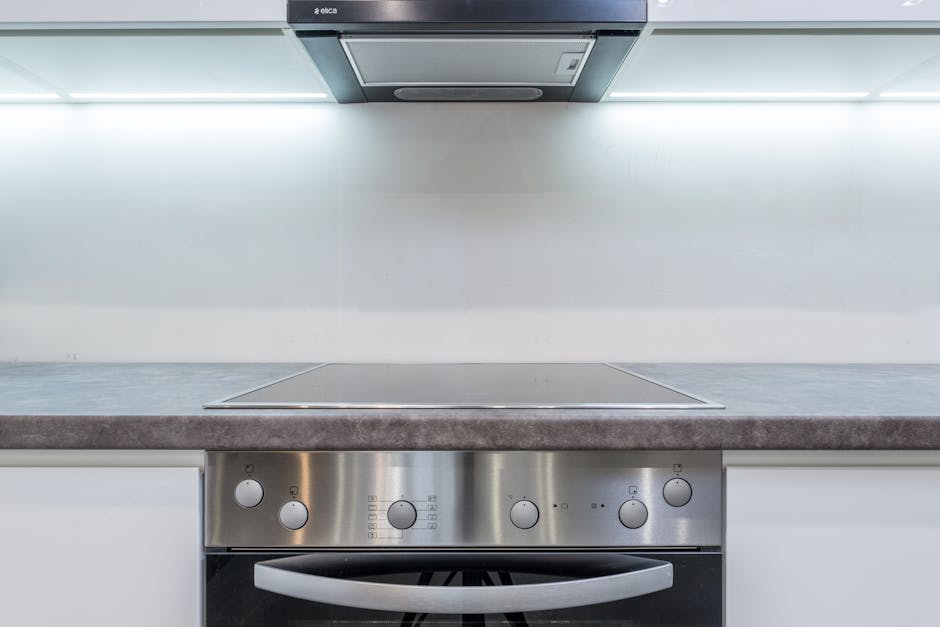
Sutherland Avenue oven cleaning options for Maida Vale landlords
Posted on 22/05/2026
If you let property near Sutherland Avenue, you already know the awkward little details matter. A spotless hallway looks nice, sure, but a greasy oven can sour a tenant handover in seconds. For Maida Vale landlords, choosing the right oven clean is less about "nice to have" and more about keeping turnover smooth, protecting deposit negotiations, and avoiding that last-minute panic when the inventory clerk is standing in the kitchen sniffing burnt-on residue. This guide breaks down the practical Sutherland Avenue oven cleaning options for Maida Vale landlords, what each method is good for, and how to choose the sensible route for your next changeover.
You'll also find a comparison table, a step-by-step plan, a realistic example, and a checklist you can actually use. If you're coordinating wider property upkeep too, it may help to look at the wider services overview or the specific end of tenancy cleaning in Maida Vale page so you can see how oven cleaning fits into the bigger picture.
Why Sutherland Avenue oven cleaning options for Maida Vale landlords Matters
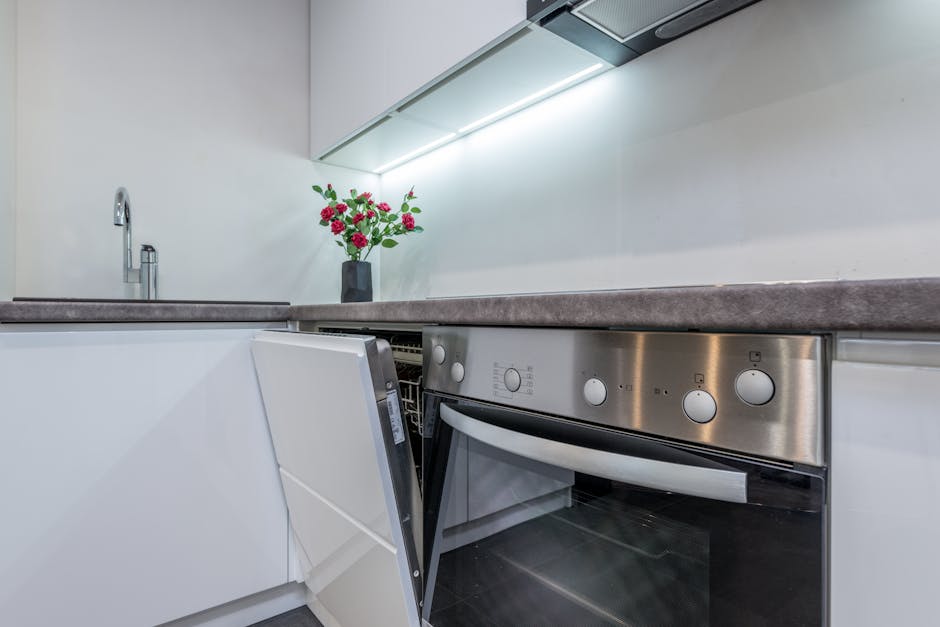
Let's face it: ovens are one of those things tenants notice the moment they move in, even if they never mention them until move-out day. In a rental on or near Sutherland Avenue, the oven often becomes a small flashpoint because it is both highly visible and surprisingly hard to clean properly without the right products, patience, and a bit of elbow grease.
For landlords, the stakes are practical rather than dramatic. A well-cleaned oven can:
- support a smoother end-of-tenancy handover
- reduce complaints about cleanliness
- help new tenants feel the property has been cared for
- avoid repeat visits from cleaners or contractors
- make inventory comparisons easier and less contentious
There's also the local context. Properties around Maida Vale often see regular turnover, professional tenants, and homes where standards are expected to be tidy and well maintained. That doesn't mean every oven needs a deep restoration, but it does mean the clean should be judged against the property's condition and letting expectations, not guesswork. If you want a broader feel for the neighbourhood and the kind of homes being let locally, the article on Maida Vale's character as a London suburb is a useful companion read.
One small but important point: ovens collect more than visible grime. Grease, carbonised food, and lingering smells can all make a kitchen feel older than it is. A "looks okay from the doorway" oven can still fail the sniff test up close. That's usually where tenants start muttering. Understandably.
How Sutherland Avenue oven cleaning options for Maida Vale landlords Works
There are several ways to deal with an oven, and the best option depends on how dirty it is, how quickly you need it ready, and whether you want a light refresh or a deep clean. For landlords, the decision usually falls into one of four approaches.
1. Light maintenance clean
This is suitable when the oven is in decent condition and just needs grease removed from racks, trays, doors, seals, and touchpoints. It is often enough between tenancies if the property has been well looked after.
2. Standard professional oven clean
This is the typical choice at the end of a tenancy. A cleaner removes removable parts where possible, treats built-up grease, and works through the interior, glass, and surfaces with appropriate tools. It's the "proper reset" option. Not glamorous, but effective.
3. Deep or specialist oven restoration
If there's heavy carbon build-up, burnt-on spills, or an oven that has clearly been neglected for a while, a deeper process may be needed. This can take longer and may involve multiple cleaning stages. It is more likely to be needed in properties where the appliance has seen heavier use or where a tenancy ended a bit messily.
4. Replacement rather than cleaning
Occasionally, cleaning is no longer the sensible answer. If the appliance is damaged, inefficient, unsafe, or so heavily worn that the finish is failing, replacement can be more cost-effective than trying to rescue it. That call should be made carefully, and not just because the oven looks tired on a bad day.
In practical terms, the work usually starts with an assessment. Is the grime surface-level, or has grease baked into the corners and seals? Are the racks removable? Is the hob area integrated with the oven and in need of a broader kitchen clean? These details matter because they affect time, cost, and expected finish.
For landlords managing a whole flat rather than a single appliance, it often makes sense to pair oven cleaning with other services such as domestic cleaning in Maida Vale or house cleaning support so the kitchen doesn't end up as the odd one out.
Key Benefits and Practical Advantages
The obvious benefit is cleanliness, but landlords usually care about what that cleanliness does for the wider handover. A tidy oven is a small operational win that can save time, reduce friction, and improve how a property is received.
Here's the practical summary:
A professional oven clean is not just about shine. For landlords, it helps make the property easier to market, easier to inspect, and easier to hand over without disputes over kitchen hygiene.
- Better first impressions: New tenants tend to judge the whole kitchen by the oven more than they admit.
- Less negotiation at check-out: A clean appliance reduces the likelihood of arguments over what counts as "reasonable cleanliness."
- Improved inventory consistency: Photographs and notes are easier to compare when the oven is clearly clean at the start of a tenancy.
- Odour reduction: Burnt smells can linger, especially after heavy cooking or roasting.
- Better kitchen presentation: The oven is often the focal point in a compact London kitchen, so its condition can subtly affect the whole room.
There's a smaller, less talked-about benefit too: confidence. When a landlord knows the kitchen has been dealt with properly, the rest of the move-out process tends to feel calmer. And calmer is good. Much better than a 9 a.m. email chain about oven trays, which nobody enjoys, honestly.
Who This Is For and When It Makes Sense
This topic is especially relevant if you are a landlord, letting agent, or property manager responsible for homes near Sutherland Avenue in Maida Vale. It also matters if you manage a shared flat, a furnished rental, or a property where the oven gets heavy use between tenants.
You should seriously consider a professional oven clean when:
- the tenancy is ending and a new tenant is due in shortly
- the inventory records show grease or residue at the start of the tenancy
- the oven smells stale or smoky
- you're preparing a property for marketing photos or viewings
- the current tenant has requested cleaning support before moving out
- the appliance has been used heavily and needs more than a wipe-down
Sometimes the decision is obvious. Sometimes it isn't. If the oven is only lightly marked and the property is mid-tenancy, a modest refresh may be enough. If the property has just come back from a long let, or if the kitchen has had lots of cooking activity, the safer choice is usually a proper deep clean.
If you're coordinating the broader move-out process, it can be useful to pair oven cleaning with other targeted jobs such as carpet cleaning in Maida Vale or upholstery cleaning, especially in furnished flats where the kitchen and living spaces all tell the same story.
Step-by-Step Guidance
If you want a simple, landlord-friendly way to approach oven cleaning, keep it systematic. The aim is to remove uncertainty and avoid missed details.
- Inspect the oven properly. Open the door, look at the glass, pull out the shelves if possible, and check the corners, fan area, seals, and handles.
- Decide the level of clean needed. Light clean, standard clean, or deep clean? Be realistic. A quick glance can be deceptive.
- Check whether the appliance is safe and functional. If knobs are damaged, seals are loose, or the oven behaves oddly, cleaning should not be the only action.
- Clear surrounding surfaces. Move trays, pans, and loose items so the cleaner can access the appliance properly.
- Use appropriate cleaning methods. Professional-grade products should be matched to the appliance material and condition. Not every stain needs the same treatment.
- Document the finished condition. Take photographs for your records, ideally with the oven door open and closed, plus a close-up of the glass and racks.
- Log it in the inventory. If you're managing multiple properties, a simple note about oven condition saves a lot of future confusion.
A good approach is to treat the oven as part of the kitchen's "handover zone," not a separate nuisance task. That mindset usually leads to better planning and fewer forgotten corners. You know the ones. They always hide a bit of burnt sauce.
Expert Tips for Better Results
There are a few things that make a big difference, even if the oven itself looks reasonably straightforward.
Match the clean to the tenancy stage
If the property is about to be photographed or viewed, presentation matters more than perfection. If the tenant has just vacated, a deeper restorative clean may be the better move. Different moment, different job.
Don't ignore the glass and seals
People often focus on the cavity and forget the door glass, rubber seals, and edges around the handle. These areas are small, but they can make the whole appliance look neglected if left grubby.
Ask for photos before and after
This is a simple one. If someone else is handling the work, ask for visuals. It helps with records, tenant disputes, and general peace of mind.
Consider the wider kitchen condition
If the oven is clean but the extractor, splashback, or cabinets are not, the kitchen still feels tired. It may be more efficient to tackle the whole area in one visit rather than patch jobs. A combined approach can be easier to manage, especially through an end-of-tenancy cleaning service.
Book with access in mind
In London flats, timing matters. Limited parking, narrow stairwells, building entry codes, and tenant schedules can all affect the job. A good plan avoids the awkward "I'm outside, but the buzzer isn't working" message. It happens more often than you'd think.
One small but useful habit: keep a short appliance-condition note for each tenancy. Nothing fancy. Just a few lines. It makes future comparisons easier and helps you spot patterns, like a tenant who cooks a lot or an oven that seems to degrade faster than expected.

Common Mistakes to Avoid
Most oven-cleaning headaches come from one of a handful of avoidable mistakes. They're mundane, really. Which is probably why they keep happening.
- Waiting until the last minute: Leaving oven cleaning for the morning of the handover rarely ends well.
- Assuming "looks fine" means "is fine": Grease behind glass or in the seals can be easy to miss.
- Using the wrong cleaning products: Harsh chemicals can damage finishes if misused.
- Forgetting the shelves and trays: A clean cavity with dirty racks still looks incomplete.
- Not checking for damage first: If the oven is faulty, cleaning alone won't solve the underlying issue.
- Skipping documentation: Without before-and-after notes, disputes become much harder to resolve.
Another common issue is expecting the same result from every oven. A lightly used appliance in a well-kept flat is a different story from a rental where roast dinners, baking, and daily cooking have all left their mark. Truth be told, not every oven can be made to look factory-new, and a sensible landlord knows the difference between "professionally cleaned" and "brand new."
Tools, Resources and Recommendations
If you're organising the clean yourself, or just want to understand what a good service should be using, these are the basics that matter most:
- non-abrasive cloths and sponges
- degreasing products suitable for ovens and appliance surfaces
- scrapers or tools designed for stubborn deposits, used carefully
- microfibre cloths for finishing and glass polishing
- protective gloves and safe handling practices
- photo documentation for the inventory record
For landlords who want a smoother overall process, a few website resources are worth a look. If you are comparing booking and budget options, the pricing and quotes page is a sensible starting point. If trust and service standards matter to you, review insurance and safety information and the health and safety policy. Those pages help you judge whether a provider is set up for landlord work rather than just casual one-off cleaning.
You might also want to review the about us page to understand the company background, or the terms and conditions if you prefer to know the practical booking boundaries up front. A bit dull, yes. Also very useful.
Law, Compliance, Standards, or Best Practice
Oven cleaning itself is not usually a heavily regulated activity for landlords, but the surrounding duties are still worth handling carefully. In the UK rental context, best practice usually means keeping the property safe, habitable, and accurately recorded at check-in and check-out. For appliances, that means checking condition, noting damage, and avoiding unsafe "quick fixes" that hide problems rather than solve them.
From a practical compliance point of view, landlords should think about:
- Safety: if an oven is damaged, unstable, or suspected to be faulty, it should be assessed before further use.
- Record keeping: inventory photos and written notes help evidence the property's condition.
- Fairness: a clean standard should match what was agreed and what was realistically provided at the start of the tenancy.
- Access and communication: tenants should be given clear notice and reasonable coordination for cleaning visits.
If you work with external cleaners, it is sensible to use providers with clear policies, especially around safety, complaints, privacy, and payment handling. You can also check the site's support pages such as the complaints procedure and payment and security page. Those do not clean an oven, obviously, but they do show how the service is structured and how issues are handled if anything goes sideways.
Best practice in plain English: make the process transparent, document the condition, and choose a cleaning approach that fits the property's real condition rather than a hoped-for ideal.
Options, Methods, or Comparison Table
Here's a straightforward comparison of the main oven-cleaning options landlords near Sutherland Avenue tend to consider.
| Option | Best for | Typical advantages | Potential drawbacks |
|---|---|---|---|
| Light maintenance clean | Ovens in decent condition between tenancies | Quick, lower effort, keeps the appliance presentable | Won't solve heavy grease or burnt-on residue |
| Standard professional clean | Routine end-of-tenancy resets | Balanced cost and result, usually enough for most rentals | May not fully restore heavily neglected ovens |
| Deep or specialist restoration | Severe build-up, long-vacant properties, stubborn grime | Best finish for difficult appliances, more thorough | More time, higher cost, not always necessary |
| Replacement | Faulty, worn-out, or unsafe appliances | Resets the problem completely | Usually the costliest route, requires decision-making |
The right choice is not always the most thorough one. It's the one that makes business sense for the property. A landlord with a well-maintained flat may only need a standard clean. A flat that has just come out of a long tenancy with heavy cooking? Different story. No shame in that. Just plan accordingly.
Case Study or Real-World Example
Picture a furnished two-bedroom flat near Sutherland Avenue coming back to market after a long tenancy. The kitchen is tidy at first glance, but the oven tells a different story: patchy grease on the door, a slightly smoky smell, and a shelf that has gone a bit stubborn. The landlord has a viewing booked in two days and wants the place to feel fresh, not "kind of okay."
In that situation, the sensible route is usually a standard professional oven clean as part of a broader kitchen and property refresh. If the rest of the flat is also due attention, a linked service such as the Maida Vale W9 flat cleaning guide can help landlords think through the wider preparation process, especially if the property is compact and every room is visible in the first five minutes of a viewing.
What tends to happen next is reassuringly ordinary: the oven is cleaned, the smell lifts, the glass clears, and the kitchen starts to feel like part of a cared-for home again. That may sound minor, but in a rental market where impressions are formed fast, minor things are never really minor.
The important bit? The landlord avoids a rushed emergency clean on the morning of the new tenancy. Which, frankly, is worth a lot.
Practical Checklist
Use this checklist before handover or before booking a cleaner.
- Inspect the oven cavity, racks, trays, glass, and seals
- Check for grease, burnt residue, or lingering odours
- Confirm whether the appliance is working safely
- Decide whether a light, standard, or deep clean is needed
- Coordinate access with the tenant or managing agent
- Clear the area around the appliance
- Ask for before-and-after photos if you're not on site
- Include oven condition in the inventory notes
- Consider pairing with broader kitchen or end-of-tenancy cleaning
- Review provider details on pricing, insurance, and service terms
Quick takeaway: if the oven is noticeably greasy, smells stale, or is part of a move-out clean, a professional clean is usually the most efficient choice. If it is lightly marked, a simpler refresh may be enough. Match the method to the real condition, not the hopeful one.
Conclusion
For landlords on or near Sutherland Avenue, oven cleaning is one of those small decisions that has an outsized effect on the rest of the tenancy process. Do it well and the handover feels smoother, the kitchen presents better, and the chance of avoidable complaints drops. Do it badly, or late, and it becomes yet another thing to untangle when time is already short.
The good news is that you do not need to overcomplicate it. Inspect the appliance honestly, choose the right level of clean, document the result, and build the job into your wider property management routine. Simple. Not always easy, but simple.
If you'd like to compare service options, book with confidence, or see how oven cleaning fits into a broader landlord clean, start with the relevant local service pages and work from there. A calm, well-prepared handover is usually worth far more than it looks on paper.
Get a free quote today and see how much you can save.
And if you are still weighing things up, that's fine too. A good cleaning plan is one of those quiet bits of landlord work that pays you back later, usually when you need it most.